
Parents with Children Aged 0 - 6 years old:
Discover What Most Parents Don’t Notice… Until Their Child Starts Struggling in Primary School
By then, the underlying gaps have already been developing for years

This live masterclass reveals the early signs most parents miss
and what you can still do now before it becomes harder to fix.

11th April 2026
9:45am - 11:45am SGT

Conducted Virtually
Live on Zoom
Trusted by 10,000+ parents worldwide | Based on neuroscience-backed approaches

Most children don’t show
clear problems at this stage…
They attend preschool fine.
They have no trouble making friends.
They respond appropriately.
Nothing feels “wrong” with them!
And that’s exactly why many parents don’t pay attention yet.
Because the early signs are rarely obvious.
They don’t look like “problems”.
They show up as small things that are easy to brush off
Things like…
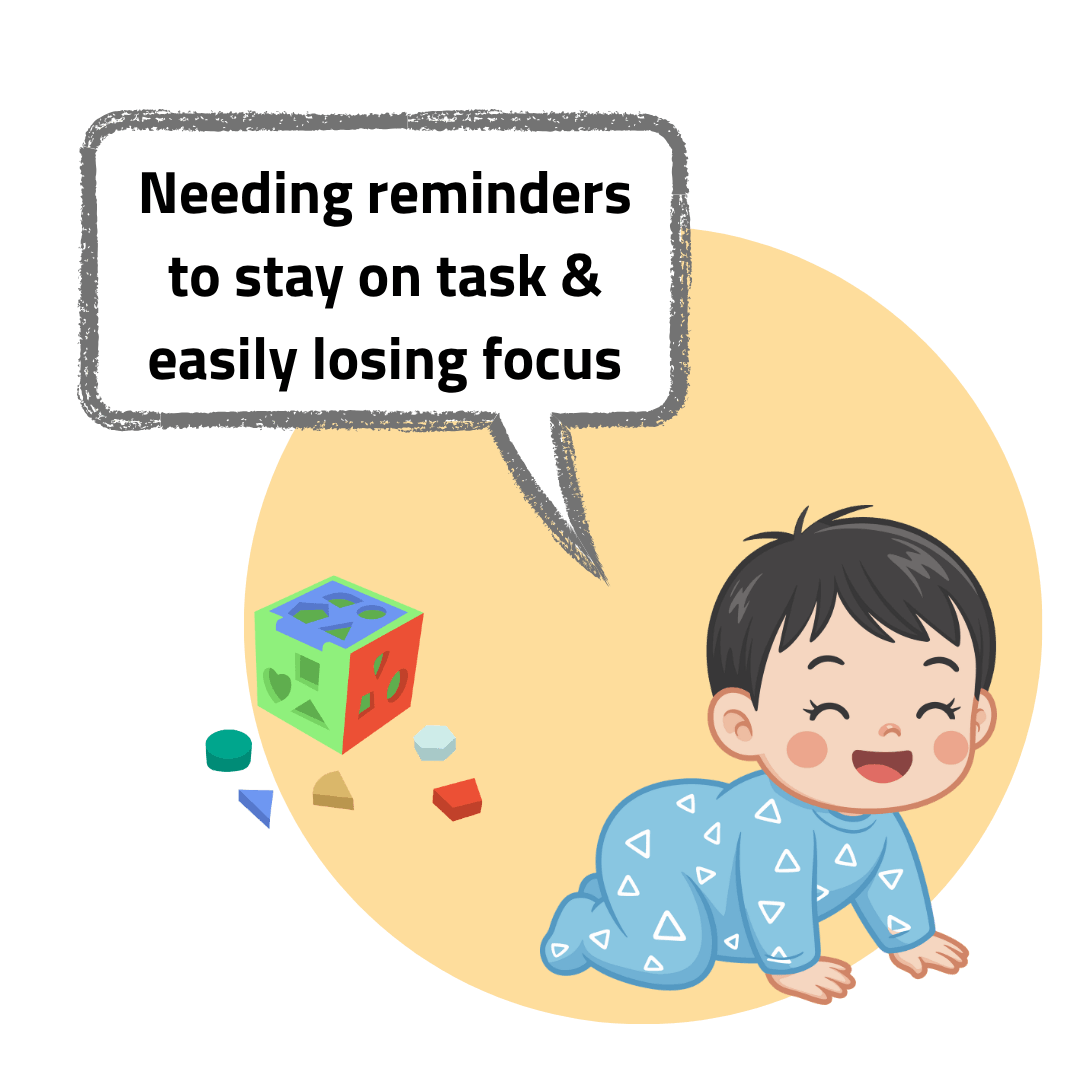
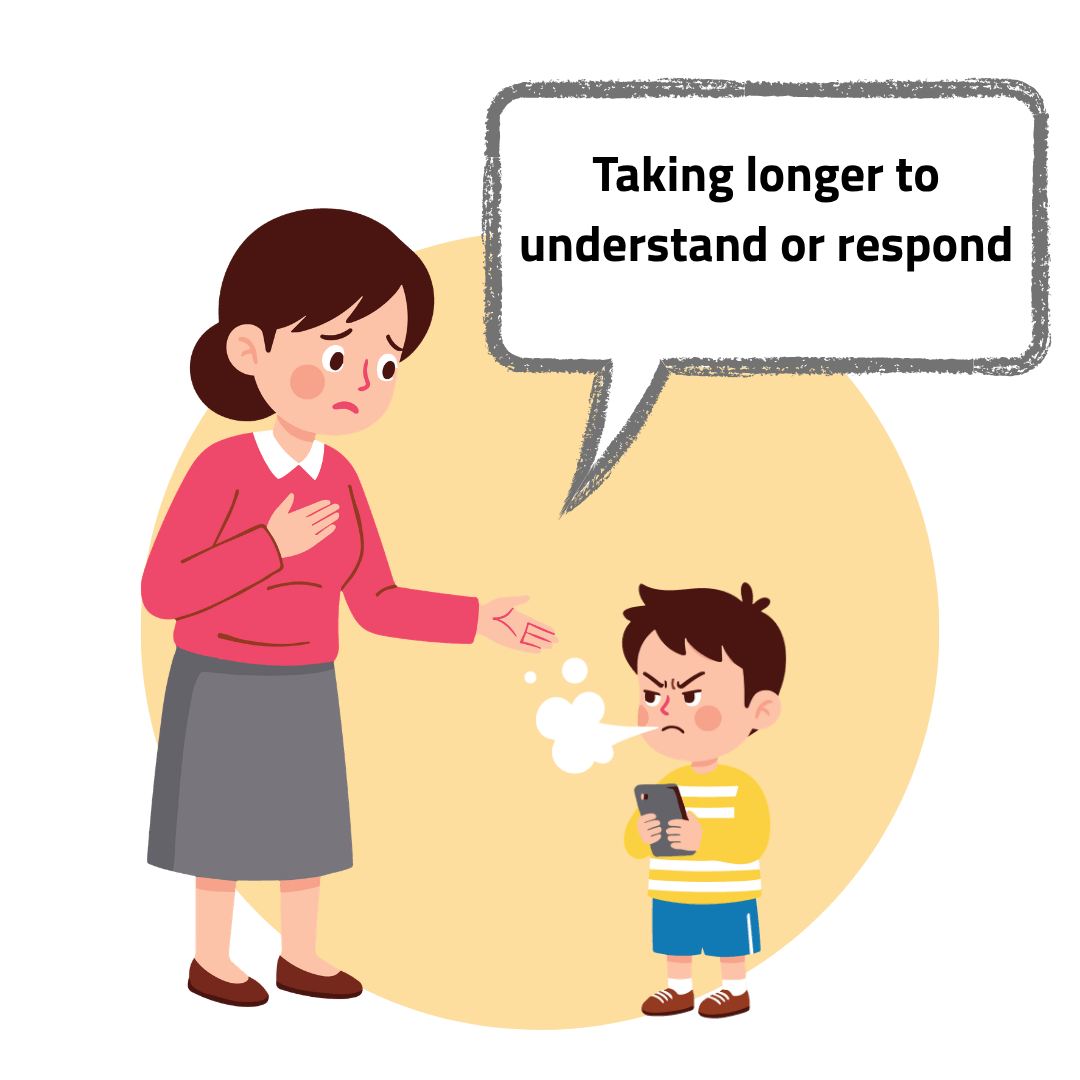
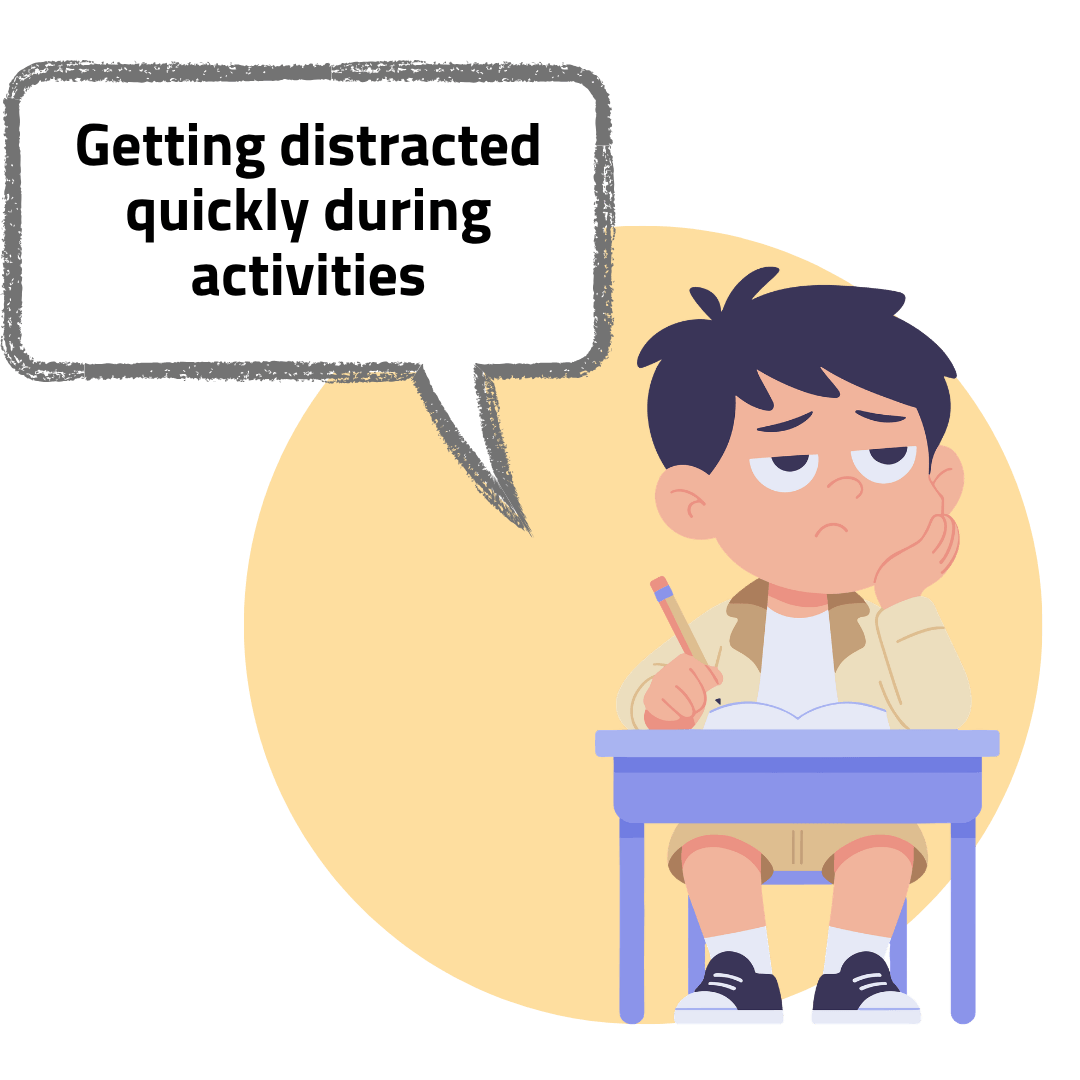
Individually, these don’t seem serious.
Most parents assume:
👉 “They will grow out of it”
👉 “It’s just a phase”
But in many cases, these are early signs of underlying gaps that only become obvious later,
when the child starts struggling to focus, learn, and keep up in school.
And by the time it becomes clear, parents often realise it started much earlier than they thought.
These struggles don’t suddenly
appear in School. They show signs eariler...
When a child has difficulty focusing, following instructions, or keeping up, it’s rarely something that started overnight.
In most cases, the foundations have already been developing quietly for years.
Many parents assume:
• “It will become clearer when school starts”
• “If there’s a problem, we’ll deal with it later”
• “Right now, they are still too young to tell”
But the reality is:
By the time these difficulties become obvious, a great opportunity to narrow these gaps may have been missed...
Here’s what most parents are not told:
By age 3, a child’s brain has already reached about 80% of its adult size.
And by age 6, the core systems for:
• Focus
• Emotional regulation
• Thinking and problem-solving
are already taking shape.
Which means that by the time most parents start paying attention, much of the foundations have already been formed.
That is why understanding what’s happening beneath the surface before it becomes visible makes all the difference.
Explained comprehensively even if you do not have prior knowledge | Suitable for parents with children aged 0–6
So what actually
determines how well a child learns?
It’s not just about how much you teach.
It depends on how well your child’s brain is able to receive, process, and respond to information.
At BrainFit, we look at this through 5 core brain pillars:

The 5 Brain Pillars That Support Learning:
1. Visual
Determines how your child sees, tracks, and makes sense of visual information.
Areas such as:
Visual Memory
Visual Working Memory
Eye Tracking Speed
Visual Perception
Fluid Reasoning
2. Auditory
Determines how your child listens, understands, and processes verbal information.
Areas such as:
Auditory Memory
Auditory Working Memory
Word Discrimination
Pitch Discrimination
Language Working Memory
3. Emotional Processing
Determines how your child manages emotions, adapts to challenges, and responds to learning situations.
Areas such as:
Growth Mindset
Emotional Regulation
Impulse Control
Emotions Recognition
4. Movement
Determines how your child’s body and brain work together to support movement, balance, and coordination.
Areas such as:
Balance
Motor Planning
Eye-Hand Coordination
Fine Motor Control
5. Focus
Determines how well your child can stay engaged, sustain attention, and complete tasks.
Areas such as:
Executive Function
Attention Stamina
Processing Speed
Cognitive Flexibility
When these systems are working well together, learning feels easier, smoother, and more natural for the child.
But when one or more of these areas are underdeveloped, it can affect how the child focuses, understands, and progresses, despite trying their hardest.
And this is where many parents unknowingly focus on the wrong things:
Thinking more teaching is the answer, when the real issue lies in the foundations.
This is how small gaps
turn into bigger struggles later on
In the early years, the signs are easy to overlook.
Nothing feels urgent.
Nothing feels serious.
But as learning becomes more demanding, these small gaps don’t stay small.
They begin to show up as:
• Difficulty focusing for longer periods
• Trouble following multi-step instructions
• Slower understanding of new concepts
• Needing repeated guidance to keep up
At this stage, it no longer looks like a “phase”...
It starts to affect how the child performs in school and how they feel about learning.
Children may begin to:
• Lose confidence when they can’t keep up
• Feel frustrated during tasks
• Become less motivated to learn
• Depend more on constant help, than Independent Learning
And by then, supporting these areas often requires significantly more time, effort, and intervention.
What could have been strengthened early, becomes something that needs to be corrected later.
That is why understanding and supporting these foundations early can make a meaningful difference in how your child learns as they grow.
Practical session with real examples & testimonials. Not theory or generic parenting advice
Learn directly from one of Singapore’s most experienced experts in brain development
Ms Cheryl Chia
25+ Years’ Experience in Brain Growth | Founder of BrainFit
This session will be led by Ms Cheryl Chia, founder of BrainFit.
With over 25 years of experience in brain fitness training, Cheryl has worked with thousands of children to strengthen the core foundations that support learning.
She is a trained paediatric physiotherapist with a strong background in neuroscience and early childhood development.
Her work focuses on helping children build the underlying brain skills needed for focus, learning, and overall development.
Credentials:
• Master’s Degree in Physiotherapy Studies (Paediatrics), University of Queensland
• Awarded full scholarship from KK Women’s and Children’s Hospital
• Member of the Golden Key National Honour Society
Professional Experience:
• Former paediatric physiotherapist at KK Women’s and Children’s Hospital
• Lecturer in Paediatric Physiotherapy at Nanyang Polytechnic
• Speaker at multiple international conferences on brain development such as:

Beyond her clinical and academic background, Cheryl is also a mother of two.
She personally applied the same brain-based learning principles at home, supporting her own daughter in achieving excellent PSLE results largely without tuition.
Her approach bridges neuroscience with real parenting, explaining complex brain concepts in ways parents can immediately understand and apply.
If you are looking for clarity grounded in science, not guesswork, this masterclass will give you that foundation.
Ms Cheryl Chia
25+ Years’ Experience in Brain Growth | Founder of BrainFit
Just a calm, practical session for parents, by a fellow mom of 2 who understands children
What You’ll Take Away
in the Smart Start Masterclass
In this live masterclass, you’ll understand what most parents only realise later
and what to look out for early, before it starts affecting your child’s ability to focus, learn, and keep up.
Understand What Might Be Affecting Your Child’s Learning Even If It’s Not Obvious Yet
Learn how to identify subtle signs in your child’s development that are often overlooked in the early years. Even when everything seems “normal” on the surface.
So you can recognise what’s happening beneath the surface before it shows up later.

Avoid Common Parenting Approaches That Delay Progress
Understand why some commonly used methods don’t address the real issue and what actually supports long-term development.
So you don’t spend time on things that don’t solve the root problem or do actions that further harm your child's learning ability

Avoid Common Parenting Approaches That Delay Progress
Understand why some commonly used methods don’t address the real issue and what actually supports long-term development.
So you don’t spend time on things that don’t solve the root problem or do actions that further harm your child's learning ability
Use Everyday Activities to Support Development Early
Learn how to guide your child’s play in a way that strengthens key brain areas instead of relying on trial-and-error.
So you can support your child’s development now, rather than trying to correct it later.


Build Focus and Attention Before It Becomes a Struggle
Learn how to build your child’s attention span and executive function through the right types of activities, not fast-paced distractions.
So your child can stay engaged, follow instructions better, and adapt more easily when formal learning begins.
Build Focus and Attention Before It Becomes a Struggle
Learn how to build your child’s attention span and executive function through the right types of activities, not fast-paced distractions.
So your child can stay engaged, follow instructions better, and adapt more easily when formal learning begins.
Get Clarity and Start Supporting Your Child's Development the Right Way
Replace common parenting myths with clear, research-backed approaches that actually support brain development.
Ask specific questions about your child and get guidance from experts in early childhood and brain development.
So you know what to focus on now instead of waiting until challenges appear later.

By the end of the session, you’ll have a clearer direction on what truly matters
in your child’s development and how to support it during the years that make the biggest difference.
Live 2-hour session with Q&A designed for Parents to ask specific questions about your child
What Parents Have Experienced with BrainFit
Additional Benefits for Attendees
Enjoy Free Trial Class worth up to $90
& Programme Discounts up to $120!*
*Terms & Conditions Apply
Frequently Asked Questions
Yes.
In many cases, early gaps are not obvious during the preschool years.
Children may appear to be coping well until learning becomes more structured and demanding.
This session helps you understand what to look out for early, so you don’t only realise it when your child starts struggling later on.
That’s exactly what this session will help you clarify.
You’ll learn what signs to look out for, what is typically developmental, and what may require more attention.
So instead of guessing or waiting, you’ll have a clearer sense of what’s happening with your child.
Not at all.
Everything is explained in simple, parent-friendly language, without medical or academic jargon.
If you’re a parent who just wants things to finally make sense, you’ll be able to follow along easily.
You can still register.
A full recording of the masterclass will be provided, and you’ll have 30 days access to watch it at your convenience.
This allows you to go through the session at your own pace, even if you’re unable to attend live.
This session is priced at S$60+gst with early-bird special discount of just $15+gst to ensure serious participation and a focused learning environment, so that we can deliver a structured, in-depth session instead of a surface-level overview
You’ll receive practical, research-backed insights into how your child’s brain learns. This is knowledge that many parents only discover after years of trial and error, which by then, it is too late.
These practical, brain-based frameworks are designed to give clarity and direction, not just inspiration.
At the end of the session, we will share optional next steps for parents who would like a deeper understanding of their child’s development.
This includes:
• A complimentary trial class (worth up to $90)
• Exclusive programme savings (up to $120)
These are shared with attendees who wish to explore further, but there is no obligation.
For Parents with Children Aged 0–6
Don’t Wait Until It Becomes Obvious and Struggles Start Surfacing Before Taking Action
Understand what most parents only realise too late,
and how early gaps can surface later as learning and focus difficulties.
Details:
Date: 11th April 2026 (Saturday)
Time: 9:45am - 11:45am (SG Timezone)
Cost: Early-Bird Price: $15+gst (Usual Price: $60+gst)
Format: Online Zoom Meeting (30-Days Video Replay Provided)
A small step now can make a meaningful difference in how your child learns later on.
Live educational session for parents with child aged 0 - 6 years old
UNLOCK YOUR FULL POTENTIAL TODAY!
Packed with expert advice, workout plans, and nutrition tips, it's the key to achieving the body you've always dreamed of. Download now and take the first step towards a healthier, fitter you!